
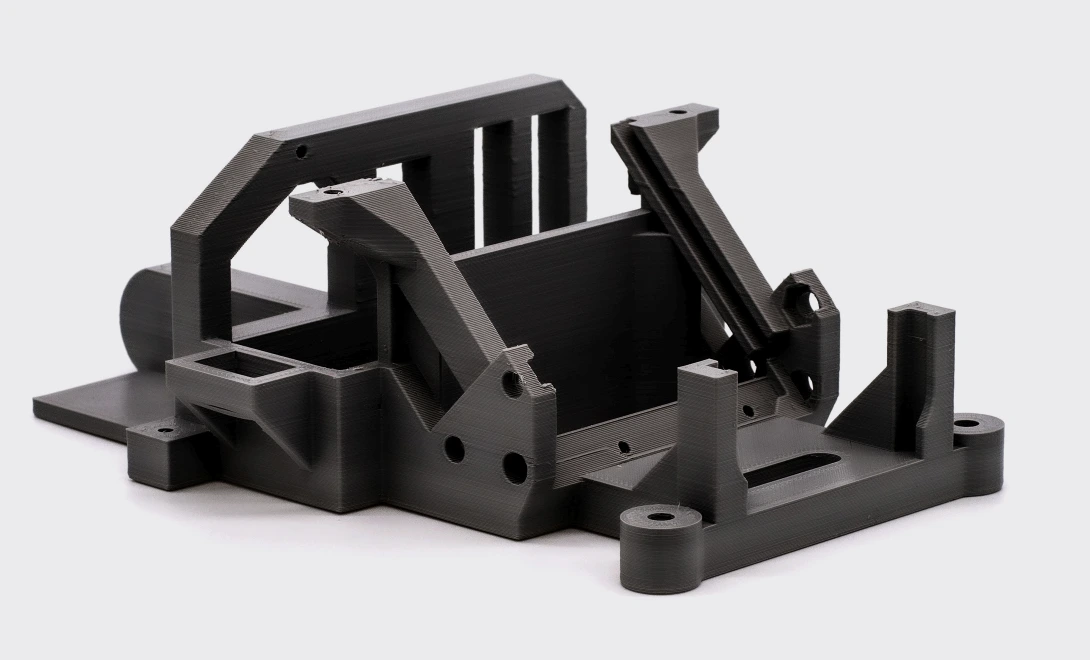
FDM 3D Printing Services
 Fastest delivery within one day.
Supports high resolution and various materials.
Tolerance accurate to ±0.2 mm.
Fastest delivery within one day.
Supports high resolution and various materials.
Tolerance accurate to ±0.2 mm.





Our FDM 3D Printing Services
Fused Deposition Modeling (FDM) 3D printing is a popular additive manufacturing technology that builds objects
layer by layer by extruding material through a heated nozzle. This method involves melting thermoplastic
filaments and depositing them in thin layers to create the desired shape, enabling the precise and
cost-effective production of complex geometries and functional prototypes.
In FDM 3D printing, the process begins with a digital model created using CAD software. Slicing software then
cuts the model into thin, horizontal layers, guiding the printer throughout the build process. With each layer
added, it merges with the previous one, gradually forming the complete object. This technology is widely used
due to its affordability, ease of use, and ability to produce durable and detailed parts.
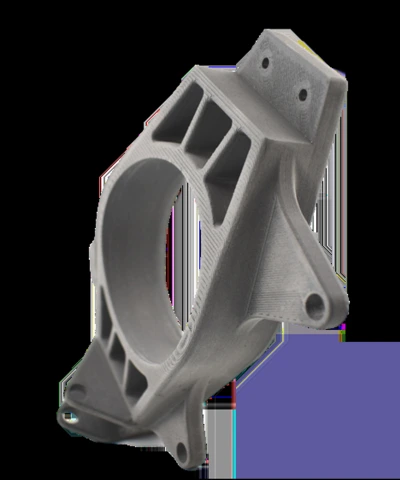
Production Capacity

700mm*800mm*1050mm

7 business days

±0.3mm/100mm

25-100 um
How does FDM 3D Printing Work?
FDM 3D Printing
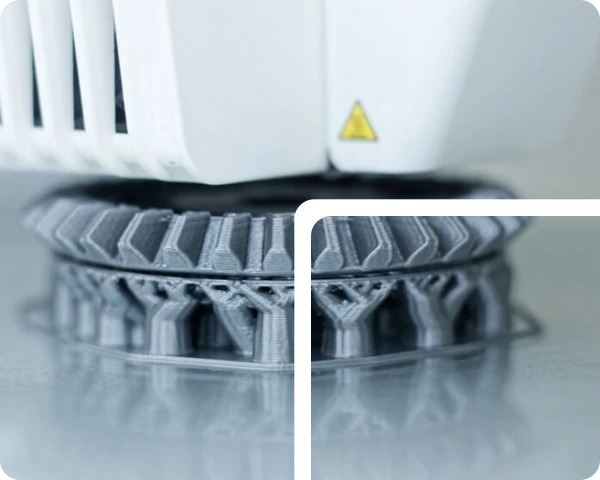

FDM 3D printing builds objects by layering thermoplastic filaments. The process begins with a 3D model,
which is then slicing into thin layers using specialized software. The printer heats the filament and
extrudes it through nozzles onto the print bed, following the path defined by the sliced model.
Each layer cools and bonds with the previous one, gradually forming the object. This layer-by-layer approach
continues until the entire 3D structure is complete. The process is precise, allowing for the creation of
complex shapes and detailed parts.
Advantages of HLH FDM printing
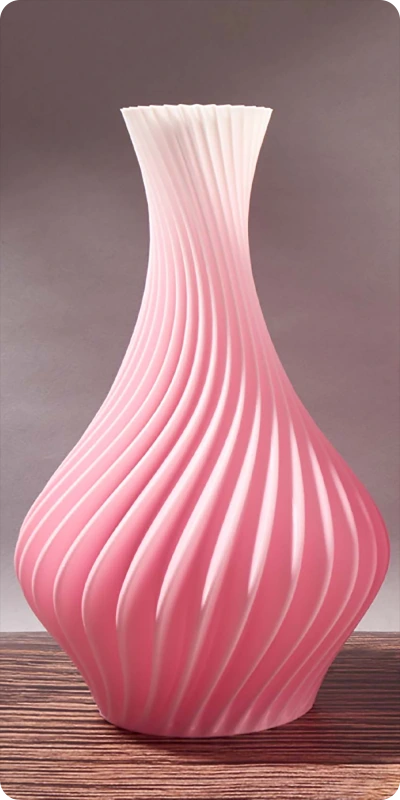

High Production Speed
FDM can produce parts relatively quickly, printing complete objects within hours. This speed is beneficial for rapid prototyping and iterative design processes.

Large Production Capacity
FDM can produce relatively large parts or multiple parts in a single production run, which is helpful for prototyping and small-batch production.

Minimal Post-Processing
Parts typically require almost no finishing. With basic trimming and sanding, they can be quickly put into use.

Variety of Materials
FDM supports ABS, PLA, PETG, nylon, and more, including fiber-filled materials, allowing for different mechanical properties for specific applications.
FDM Material Options
Known for excellent surface finish and ease of printing, PLA is biodegradable and ideal for visual models and consumer products
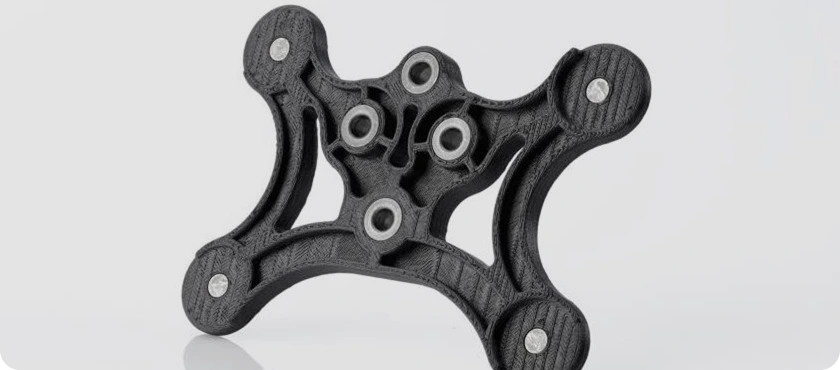
Offers a good combination of strength and flexibility, making it food-safe and suitable for mechanical parts
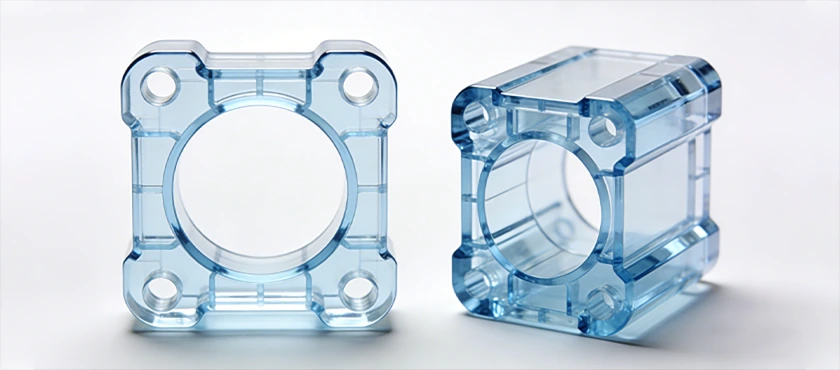
Provides UV resistance and weatherability, perfect for outdoor applications
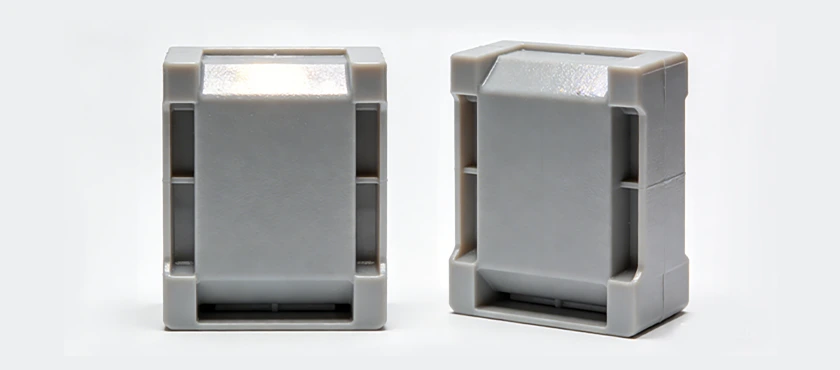
Known for impact resistance and strength, suitable for durable prototypes and functional parts
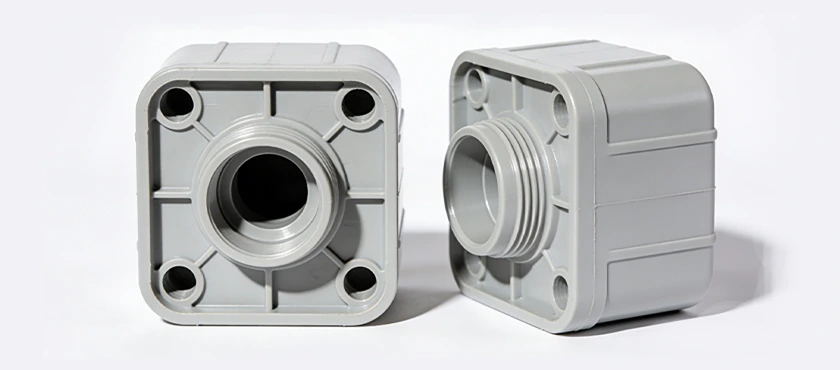
Highly flexible and abrasion-resistant, ideal for creating rubber-like components
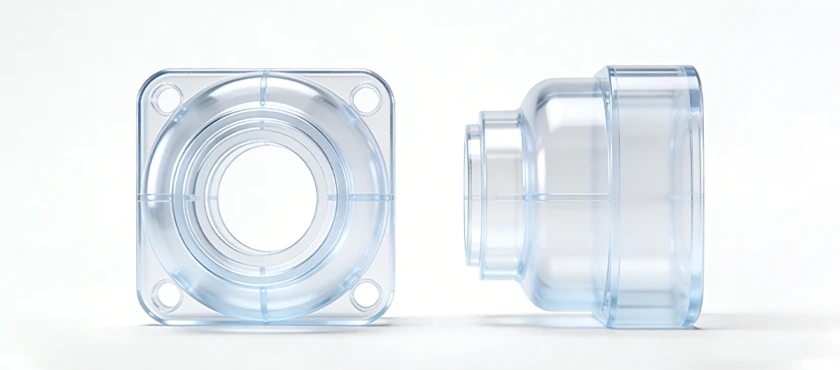
FDM 3D printing post-processing
3D printing surface finishes enhance the appearance, texture, and performance of printed parts. From smoothing to coating, surface finishes improve aesthetics, durability, and functionality, preparing parts for final use or display.

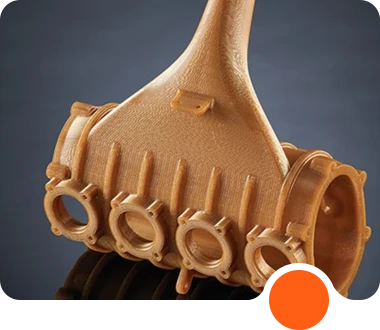
Grinding
Smooth the surface with various grinding tools
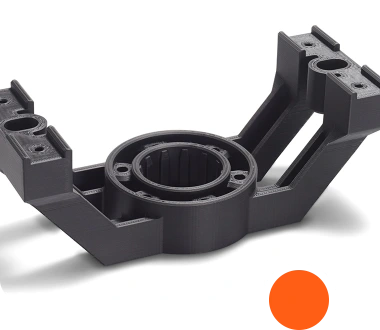
Chemical
Polishing Acetone polishing and PLA polishing
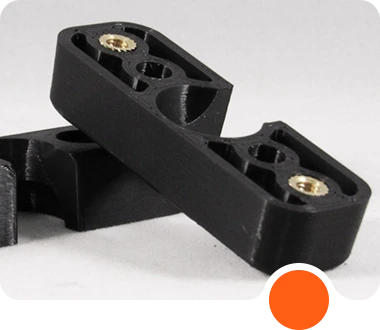
Dyeing
Color with acrylic paint
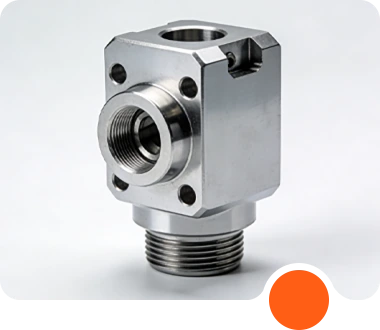
Machining
Performing drilling, tapping, milling, and other machining to meet assembly and functional requirements.
Our Video Display

What Customers are Saying?

Fast and Reliable, Defnitely My First Choice!
"As the owner of a small machining shop, I'm deeply impressed by HLH Model Tech's effciency and reliability. They not only respond quickly tomy urgent needs but also deliver consistently high-quality parts.Especially their customer service team, who always swiftly resolves any issues I face. It's truly a hassle-free experience!"


Custom Transmission Belts, Perfectly Matched!
“HLH Model Tech has exceeded our expectations in delivering high-quality CNC machined parts. Their professional skills and processing production capabilities have seamlessly connected our production needs. ”

Worth Every Penny!
"When choosing suppliers, value for money is always my top consideration. HLH Model Tech not only offers reasonable prices but also ensures exceptional quality. Their team is adept at balancing cost- effectiveness, consistently delivering results that exceed expectations within our budget. They are a lifesaver for our financial planning!"


Request A Quote
Please place file(s) for transfer in the same folder and ZIP or RAR before attaching.
Larger
attachments can
take a few minutes to transfer depending on your local internet speed 🙂
Recent Articles / Blogs
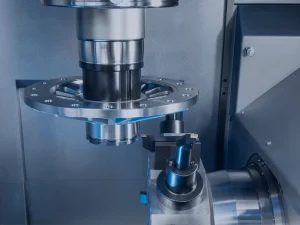
CNC turning services have significant usage in the manufacturing sector; despite that, the inefficiency that pertains to the aspects of quality, on-time delivery, or cost with regard to turning projects is an issue that many organizations face today.