



Polishing
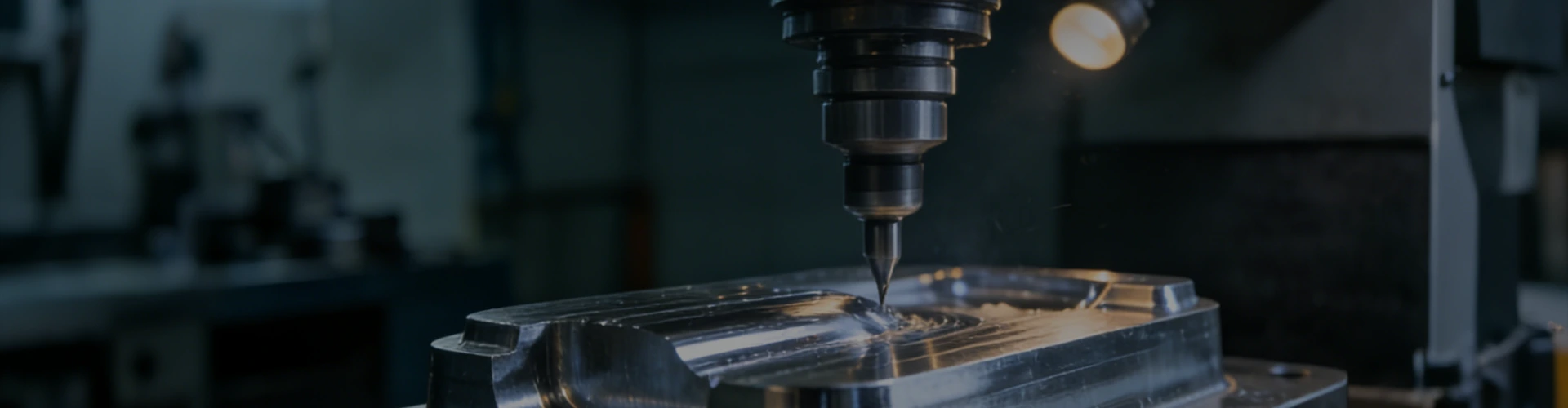
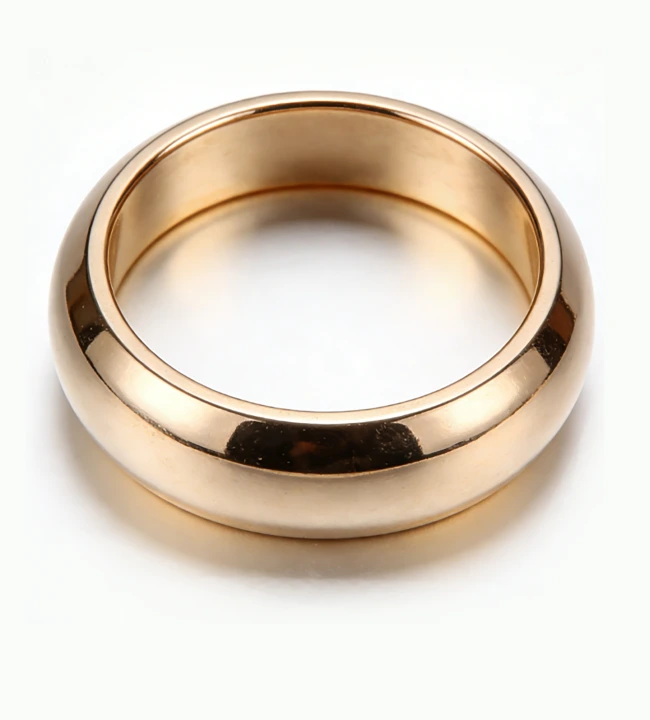
Polishing is a process that reduces the surface roughness of a workpiece through mechanical, chemical or electrochemical means, and can give the product a smooth and shiny surface effect. This process mainly uses polishing tools combined with abrasives or other polishing media to finely refine the surface of the workpiece.
Plastic types: such as PC, PMMA
Metal types: including steel, stainless steel, brass, copper (red), aluminum, etc.
Texture: Smooth, with luster
Achievable surface roughness range: Ra 0.2μm to Ra 32μm
Reduce surface roughness and enhance surface smoothness
Improve the appearance texture and luster of the product
Suitable for precision processing and decorative treatment where there are requirements for
appearance or surface performance
Anodizing
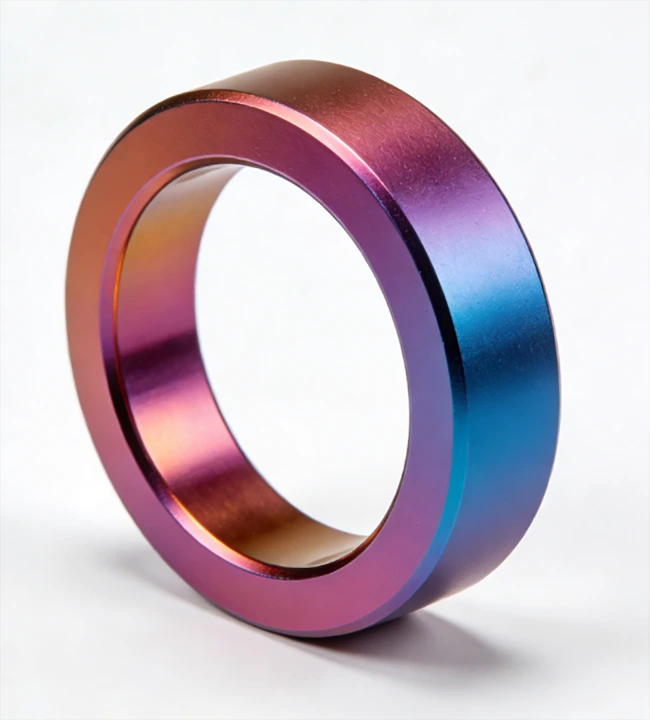
Anodizing is a process that forms an oxide film on the surface of metals through electrochemical methods. Taking aluminum and its alloys as an example, under the action of a specific electrolyte and an external current, an aluminum product (acting as the anode) can generate a dense and highly adhesive layer of aluminum oxide.
Aluminum
Color: A wide range of colors can be achieved through coloring, and it supports standard
color charts such as RAL and Pantone.
Oxide film thickness: Usually 5–20 μm.
– Enhance surface hardness and wear resistance, reducing scratches
– Improve corrosion resistance, extending the service life of the workpiece
Sandblasting
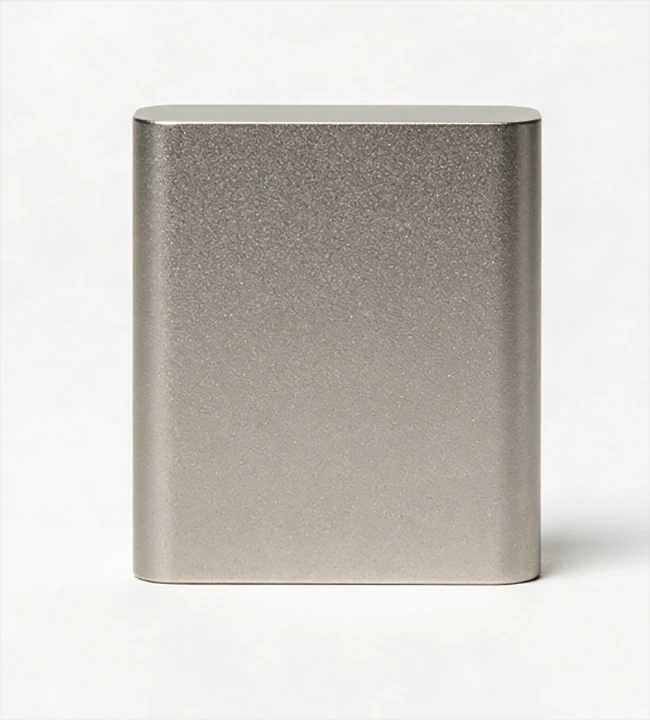
Sandblasting is a surface processing technique that achieves cleaning and roughening by subjecting the substrate surface to high-speed spraying of abrasive materials. Through the impact and cutting action of the abrasive on the surface, the workpiece can obtain the required cleanliness and specific roughness, forming a uniform matte texture.
Aluminum, steel, stainless steel, brass, copper and other metal materials
Color: Maintains the original color of the material base
Texture: Uniform matte finish, with fine rough textures on the surface
Form a uniform and rough surface, improving the mechanical properties of the material
Enhance the fatigue resistance of the workpiece and extend its service life
Painting
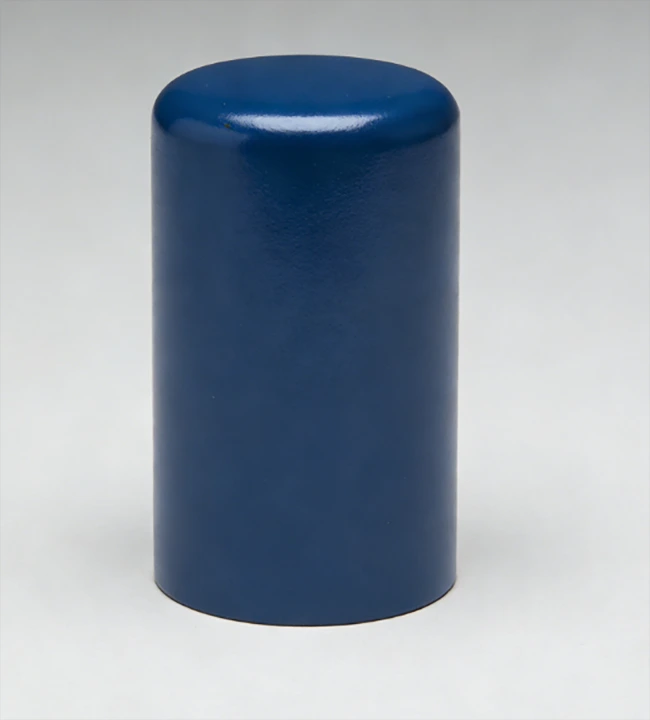
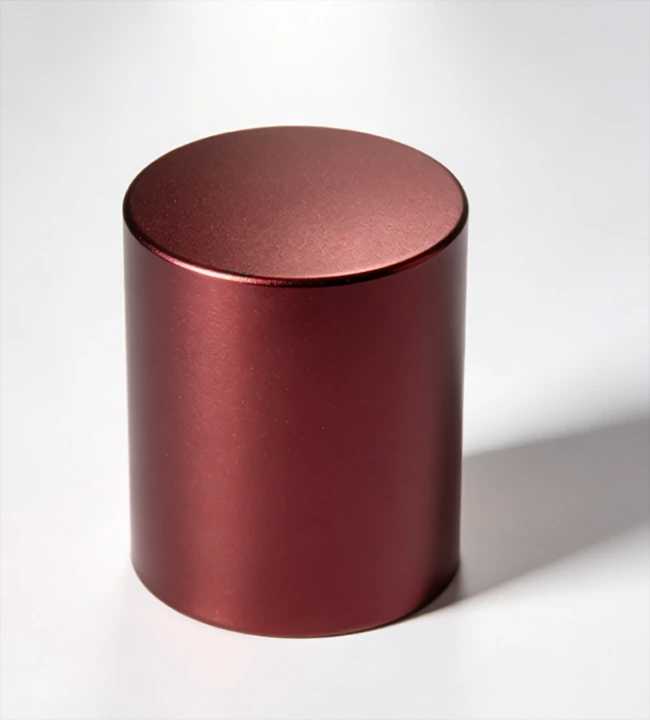
Painting is a surface treatment process that uses electrostatic adsorption (corona discharge) to attach dry powder coatings to the surface of the workpiece, and then undergoes heating to solidify and form a uniform coating. This process offers a wide range of color options and can meet diverse appearance and functional requirements.
Aluminum, steel, stainless steel
Color: Supports any RAL or Pantone color code
Coating thickness: Usually between 200–300 μm
Improve the appearance texture, achieving a uniform and smooth surface effect
Enhance the wear resistance, corrosion resistance and chemical resistance of the workpiece
Powder coating
Chromate conversion treatment is a chemical surface treatment process. By causing the metal (especially aluminum and aluminum alloys) to react with chromate solution, a thin and dense chromate passivation film is formed on its surface.
Aluminum and aluminum alloys
Color: Usually transparent to light yellow (depending on process parameters and materials)
Enhance corrosion resistance and maintain conductivity
Passivation treatment
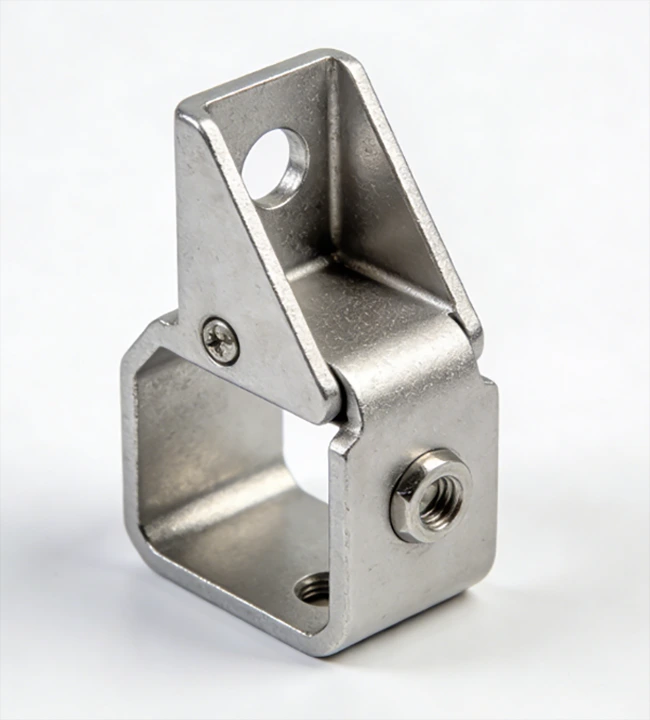
Passivation treatment is a surface treatment process that forms a very thin and dense oxide layer (such as chromium oxide) on the surface of metals like stainless steel through chemical or electrochemical methods. This layer makes the metal surface have a low reactivity and a stable state, thereby enhancing its corrosion resistance.
Stainless steel (such as 304, 316 series, etc.)
Color: Retains the original color of the metal substrate
Texture: Smooth surface, with uniform metallic luster
Significantly enhance corrosion resistance, delaying rusting in humid, acidic or
chloride-containing environments
Extend the service life of components in harsh environments
Hot-dip galvanizing
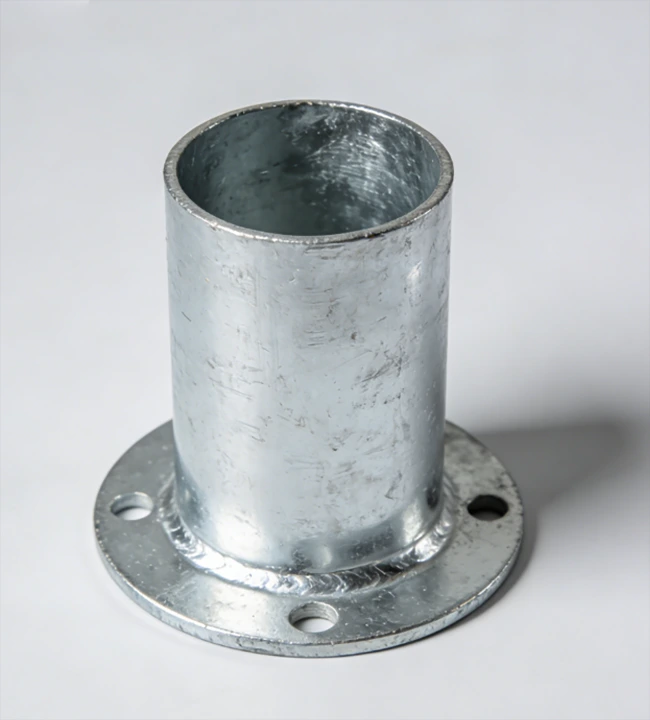
Hot-dip galvanizing is an anti-corrosion process that involves immersing pre-treated steel components in molten zinc liquid to form a metal zinc coating on the surface. This process typically includes steps such as degreasing, pickling, auxiliary plating, hot-dip plating, and cooling, resulting in a metallurgically bonded zinc-iron alloy layer and a pure zinc layer on the substrate surface.
Low-carbon steel, cast iron and other steel materials (Notes: Stainless steel is usually not subjected to hot-dip galvanizing as the high-temperature zinc liquid may affect its performance, and it already has excellent corrosion resistance on its own.)
Texture: Usually presents a silver-gloss surface with zinc flecks, and can also achieve a smooth or uniform matte finish through post-processing.
Provides excellent long-lasting anti-corrosion protection. The zinc layer can act as a
sacrificial anode to protect the steel substrate at damaged areas.
Effectively prevents oxidation and corrosion on the steel surface, significantly extending
the
service life of components in outdoor or harsh environments.
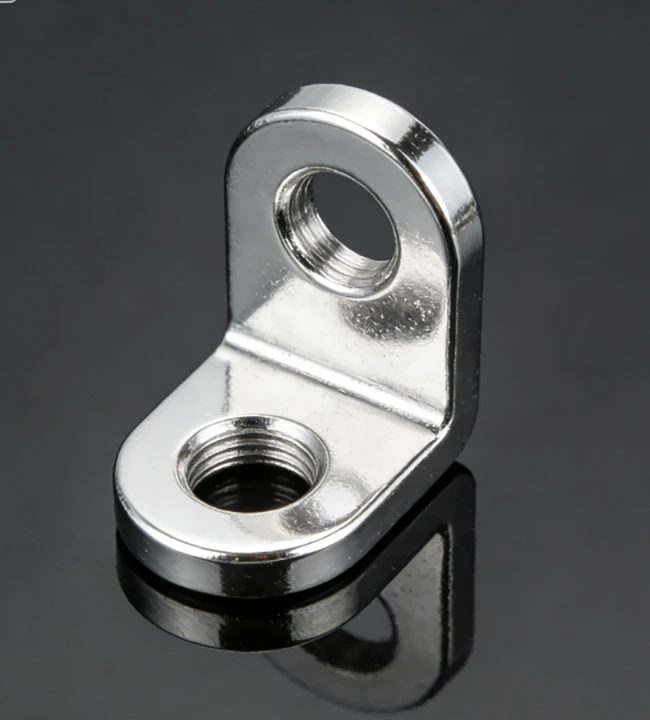
Nickel plating
Nickel plating is a surface treatment process that deposits a uniform layer of nickel on the surface of a metal or non-metal substrate through an electrochemical reaction. Depending on the purpose of the process, it can be divided into decorative nickel plating and functional nickel plating (such as for industrial use).
Common Metals: Steel, Stainless Steel, Copper and Copper Alloys
Texture: Can achieve various effects ranging from matte, semi-gloss to high-gloss.
Provide excellent corrosion resistance and wear resistance
Give the surface a shiny decorative metallic appearance
Enhance the surface hardness and durability, and improve the weldability and conductivity of
the
substrate
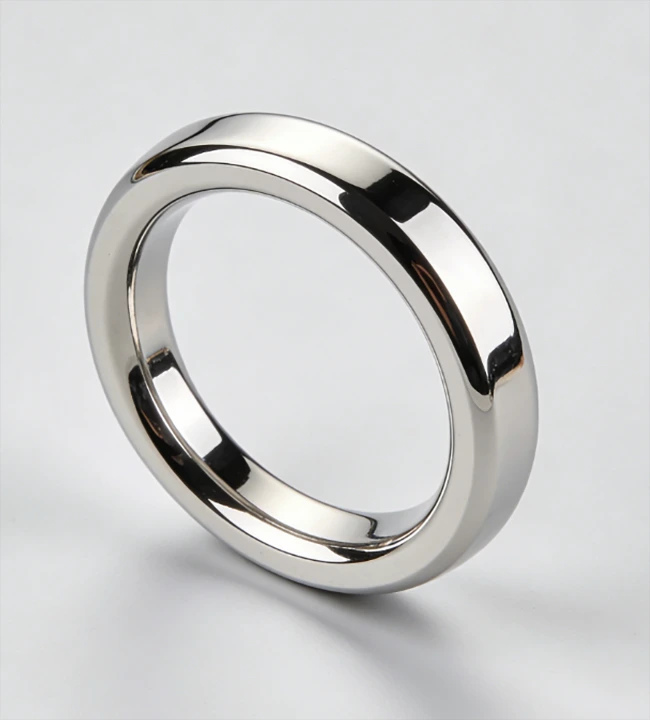
Electrolytic polishing
Electrolytic polishing is a process that uses the principle of electrochemical anode dissolution to remove micrometer-scale materials from the metal surface, thereby achieving a smooth, shiny and clean surface. It selectively dissolves the microscopic protrusions on the surface, significantly reducing the roughness, and effectively removing surface defects and impurities.
Steel, stainless steel
Aluminum, copper, nickel and titanium and other metals are also applicable
Color: Retains the original color of the metal substrate
Texture: Uniformly smooth, with a high reflective metallic luster
Cleanliness: Effectively removes surface contaminants, oxide layers, and embedded impurities