



Aluminum 5052-H32
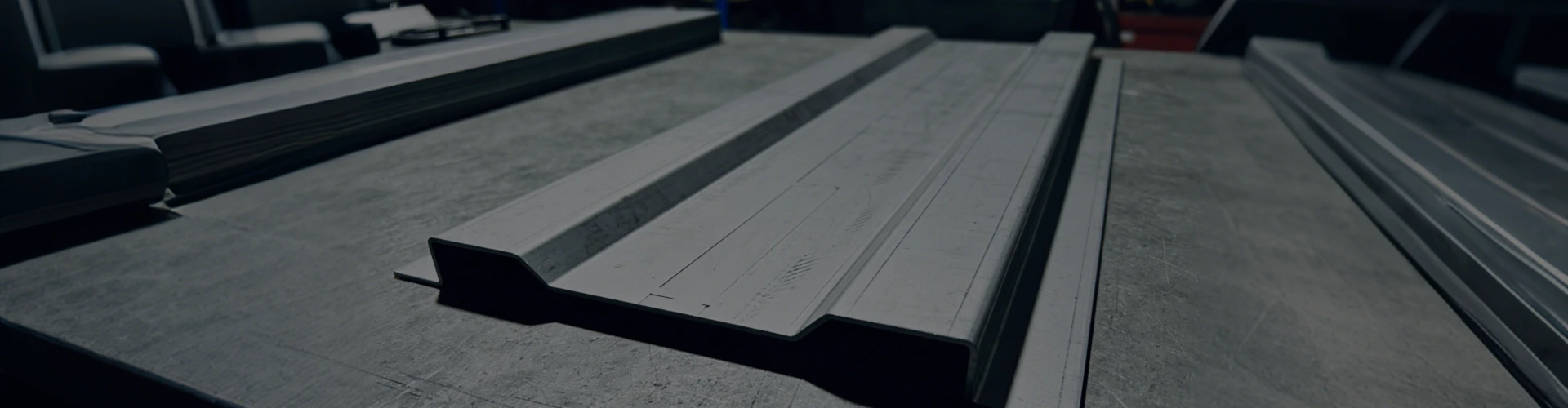
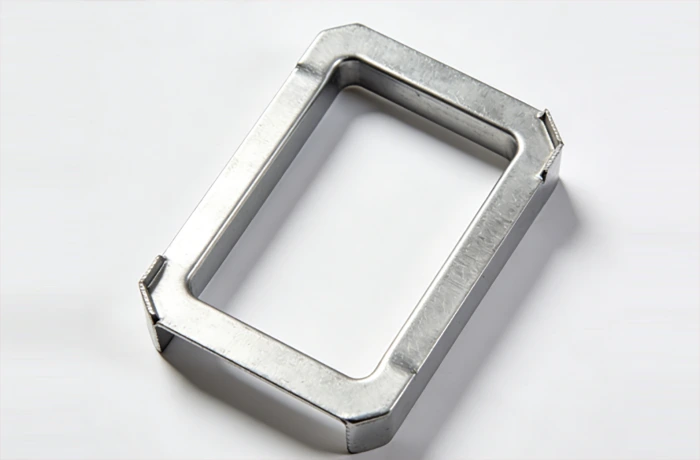
5052 aluminum alloy is a non-heat-treated strengthened alloy with magnesium as the main alloying element. It is widely used in the field of sheet metal processing. The H32 state indicates that the material has undergone strain hardening (H3) and stabilization treatment (2). While maintaining good formability and weldability, it also possesses excellent corrosion resistance, moderate strength, and a shiny surface appearance. It is an ideal choice for common sheet metal products such as computer cases, shells, and ship components.
- Excellent corrosion resistance: Particularly resistant to seawater and marine atmospheric corrosion, performing stably in harsh environments.
- Excellent formability and weldability: It can be shaped through various methods such as bending, stamping, and rolling, and is also easy to weld (5XXX series welding wires are recommended).
- Comprehensive performance balance: It features high fatigue strength, an appropriate strength-to-weight ratio, and a shiny and aesthetically pleasing surface texture.
- Non-heat treatment strengthening: Its properties are mainly achieved through cold processing (strain hardening), and the strength cannot be significantly enhanced through quenching and aging.
Aluminum 6061-T651
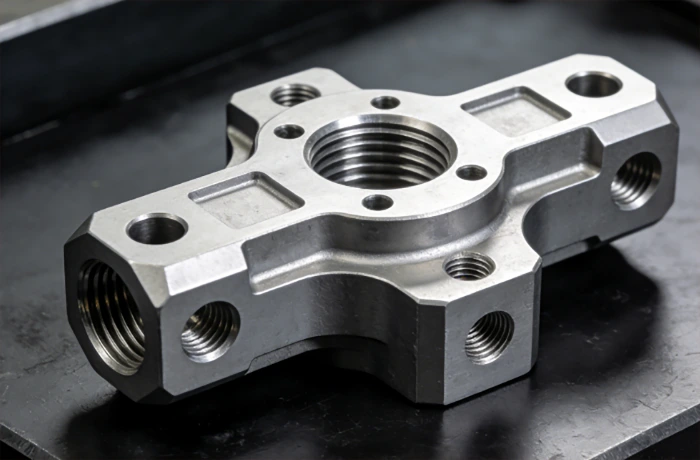
6061-T651 is an aluminum alloy that has been strengthened through heat treatment (solution treatment + artificial aging). Due to its excellent balance in terms of strength, corrosion resistance, machinability and cost, it is hailed as “structural aluminum”. Compared with non-heated treatment alloys such as 5052, its strength is significantly higher, but its formability and weldability are slightly inferior. The T651 state indicates that the material has undergone tensile straightening after aging, with extremely low internal stress and excellent dimensional stability. It is particularly suitable for subsequent precision processing.
- Higher strength and a good strength-to-weight ratio: In common aluminum alloys, it has outstanding comprehensive mechanical properties and is suitable for load-bearing structures.
- Excellent corrosion resistance and machinability: Particularly resistant to atmospheric corrosion, and can be further enhanced through anodizing; has good machinability.
Brass C260
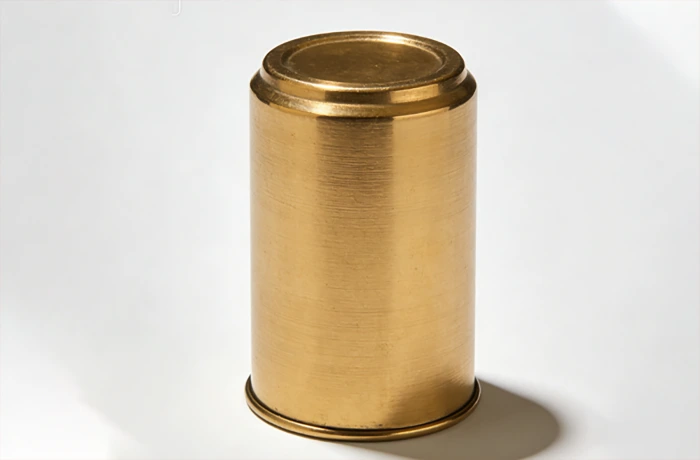
C260 brass (with nominal composition of CuZn30, commonly known as cartridge brass or 73 brass) is a single-phase α brass with approximately 70% copper content and 30% zinc content. It possesses excellent cold working formability, good corrosion resistance, outstanding cutting performance, and similar tensile strength to low-carbon steel. It is regarded as one of the most versatile brass alloys and is widely used in complex parts that require high formability, electrical conductivity, thermal conductivity, or corrosion resistance.
- High ductility and cold formability: The single-phase α structure endows it with excellent plasticity, making it suitable for cold processing techniques such as deep drawing, stretching, and forging.
- Excellent cutting performance: Good chip-breaking performance, allowing for high-speed machining, low tool wear, extremely low demand for coolant, and it is a typical “fast-cutting” material.
- Excellent corrosion resistance: It has good resistance to corrosion in the atmosphere, fresh water and various media, and the surface can easily form a protective oxide film.
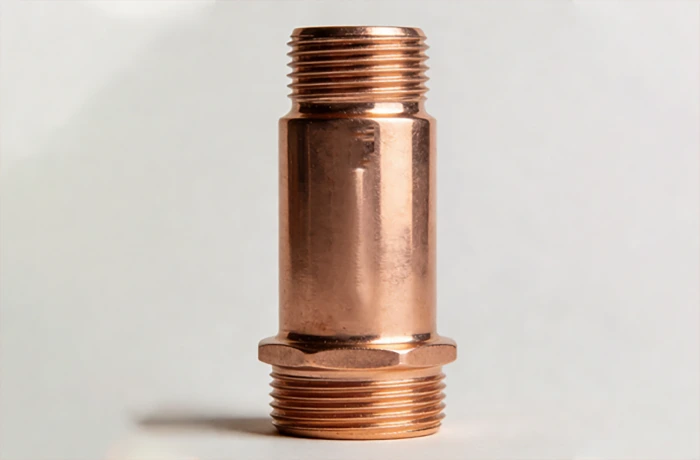
Copper C101
C101 copper (also known as HC copper or oxygen-free high-conductivity copper) is a highly pure copper material with extremely high electrical and thermal conductivity (nominal conductivity 100% IACS). This material possesses excellent ductility, corrosion resistance, and good processing performance, making it an ideal choice for electrical and electronic applications, thermal management, and high-formability precision parts.
- Extremely high electrical and thermal conductivity: Among all commercial pure copper, it has the highest electrical conductivity, making it the benchmark material for electrical transmission and heat dissipation applications.
- Excellent ductility and formability: Capable of undergoing complex cold processing such as deep drawing, stretching, and bending, and easy to shape into intricate and complex forms.
- Excellent corrosion resistance: Exhibits stable corrosion resistance in air, fresh water and various environments.
- Weldable and easy to process: Suitable for various welding methods, with excellent machining performance.
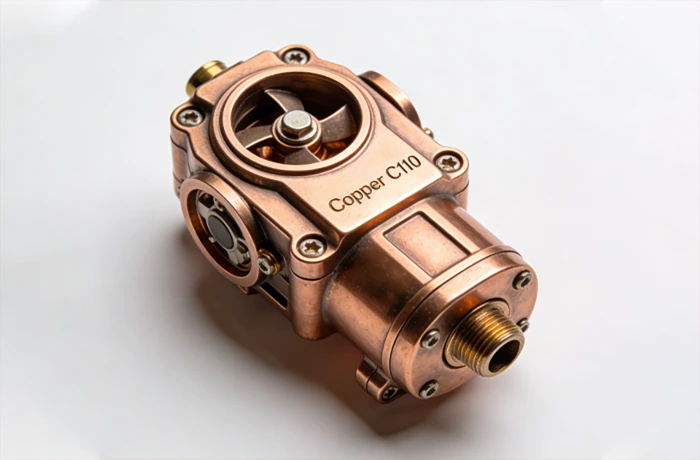
Copper C110
C110 copper, also known as electrolytic toughened copper (ETP copper), is the most commonly used and cost-effective pure copper material in industry. Its nominal purity reaches 99.9%, although it contains a trace amount of oxygen (about 0.02%-0.04%). However, it achieves an excellent overall balance in terms of strength, formability, electrical and thermal conductivity, and corrosion resistance. Compared with C101, its electrical conductivity is slightly lower (about 99% IACS), but its cost is significantly more advantageous. It is an ideal choice for power transmission, heat exchange, and the manufacturing of general components.
- Excellent comprehensive performance and cost-effectiveness: Achieving the best balance between performance and cost is what makes this copper material the most widely used.
- High conductivity and thermal conductivity: The conductivity exceeds 99% IACS, meeting the requirements of most industrial and electrical applications.
- Excellent formability and weldability: Excellent ductility, easy to be processed into complex shapes, and supporting various welding techniques.
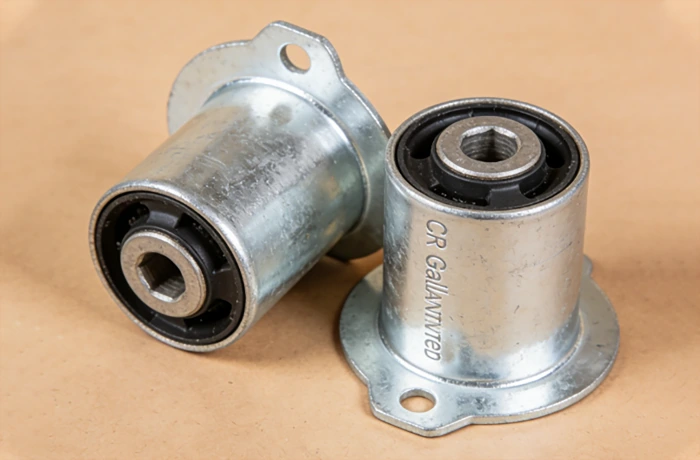
CR Galvanized
Cold-rolled galvanized steel is a type of carbon steel sheet that has a zinc protective layer applied through the hot-dip galvanizing process on a cold-rolled base plate. This material is widely used in outdoor and general industrial environments due to its excellent corrosion resistance, high cost-effectiveness, and good forming processing properties. The unique zinc flower (spangle) texture on its surface, although decorative, also poses challenges for subsequent coating processes.
- Excellent corrosion resistance: The zinc layer provides long-lasting sacrificial anode protection for the steel plate, effectively preventing the substrate from rusting.
- Excellent formability and strength: Retains the high strength of cold-rolled steel and the excellent stamping and bending processing properties.
- Unique cost-effectiveness: While providing excellent protection, the cost is significantly lower than that of materials such as stainless steel.
- Pre-coating decoration and restrictions: A shiny zinc flake surface can be used as the final decoration, but it also affects the adhesion of other coatings (such as powder coatings), and usually requires special pretreatment (such as grinding, phosphating).
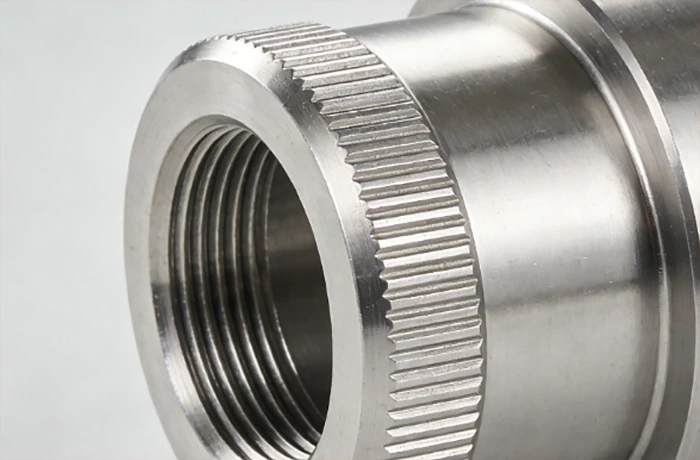
Stainless Steel 304/304L
Stainless steel 304 (06Cr19Ni10) is the most widely used austenitic stainless steel, and due to its excellent comprehensive properties, it has become the “universal steel” in both industrial and civilian fields. Its core components consist of approximately 18% chromium and 8% nickel. It possesses excellent corrosion resistance, outstanding formability, weldability, and outstanding low-temperature toughness, and can achieve excellent surface quality through polishing.
- Excellent corrosion resistance: It exhibits excellent corrosion resistance and oxidation resistance in most atmospheric environments, fresh water, and various organic and inorganic media.
- Excellent formability and weldability: High plasticity, suitable for cold and hot processing such as deep drawing and bending; can be welded using conventional methods, and no heat treatment is required after welding.
- Outstanding surface quality: Easy to achieve a bright and durable decorative surface through mechanical polishing or electrochemical polishing.
316 stainless steel
316 stainless steel is an austenitic stainless steel with a molybdenum (Mo) content of approximately 2-3%. Due to its outstanding corrosion resistance (especially against chloride and acidic media), it has become an upgraded option for 304 stainless steel. While maintaining good machinability, weldability, and comprehensive mechanical properties, it performs more reliably in chemical, marine, and high-demand industrial environments.
- Outstanding corrosion resistance: Thanks to the addition of molybdenum (Mo), its resistance to pitting corrosion and crevice corrosion is significantly superior to that of 304 stainless steel, especially in marine and chemical environments containing chloride.
- Good machinability and weldability: It can be machined and welded using standard methods, and the post-welding performance is stable.
- Excellent comprehensive mechanical properties: featuring high strength, high ductility and excellent low-temperature toughness.